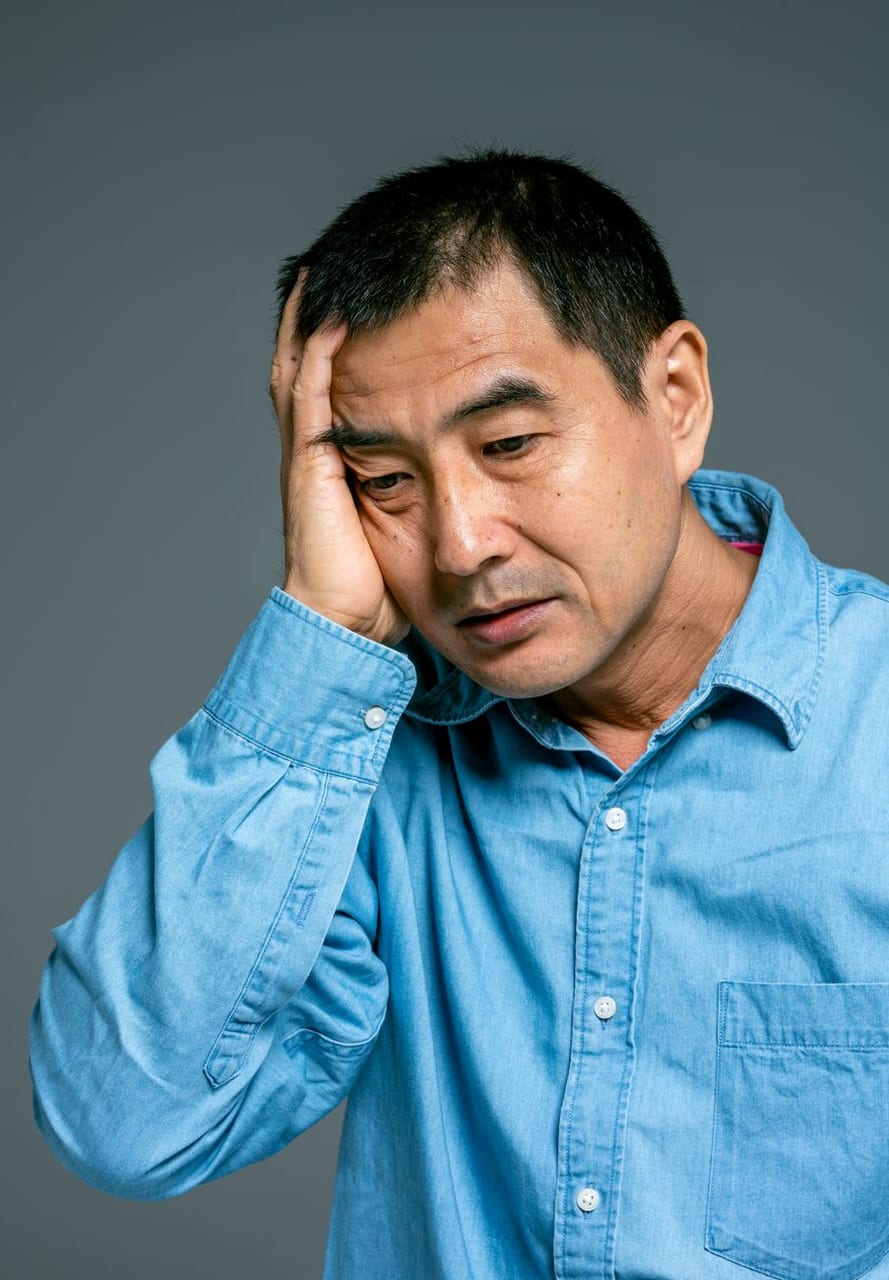
Is this you?
- You've had prostate surgery and ED has followed
- You're in the active rehabilitation window
- You want to add somatic and tantric practice to your urologist's rehab plan
What the research says
After radical prostatectomy, erectile function often changes because of nerve and blood-supply effects, and recovery varies and may be incomplete. Penile rehabilitation (PDE5 inhibitors, vacuum devices and injections) is widely used, but randomised trials of early PDE5 inhibitor rehabilitation have given mixed results, so ask your urology team what they recommend for you. After prostatectomy semen is no longer produced; orgasm can still occur but may feel different. Climacturia (urine leakage at orgasm) and changes in penile length can also occur. Psychological factors and the partner relationship matter, and referral to a sex therapist or psycho-oncology service is available. Pelvic-floor training is commonly taught for urinary continence after prostatectomy. Tantra-based practice has not been tested for recovery after prostate surgery.
How tantra approaches this
Tantra-based practice has not been tested after prostate surgery. People who use it describe slow touch, breath, and shifting attention toward whole-body pleasure, which can overlap with sex-therapy advice on redefining intimacy after treatment. Only consider it alongside, not instead of, rehabilitation and with your urologist's agreement, particularly regarding pelvic-floor work and timing after surgery.
Practices people describe (not treatment)
- Pelvic-floor exercises (as taught by a physiotherapist) (beginner, ~15 min) — Contract-and-relax exercises commonly taught for continence after prostatectomy. Timing and technique should come from your urology team or a pelvic-health physiotherapist.
- Non-penetrative intimacy (beginner, ~30 min) — Touch and closeness not tied to erection or intercourse, which sex therapists often suggest after treatment (practical judgement; not trial-tested).
When to see a doctor instead
Coordinate all sexual recovery work with your urologist or prostate care team. Seek advice for pain, urinary changes, fever, blood in urine, or if you feel low or hopeless; psycho-oncology and sex therapy services can help. If you are in crisis, see the site safety page (/safety/).